

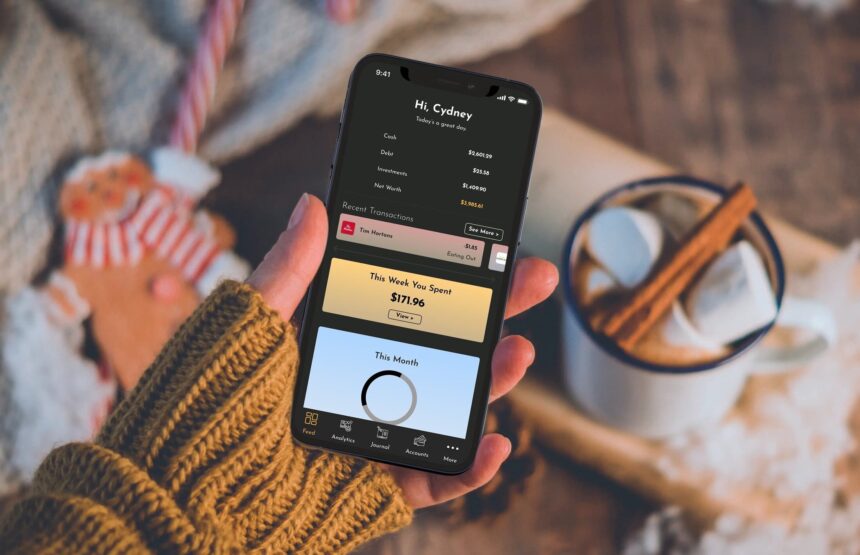
Managing money has become more complex for Americans. Between multiple bank accounts, credit cards, subscriptions, loans, and investments, it’s easy to lose track of where your money is going. That’s where money management apps come in. These tools help you see the full picture, stay organized, and make better financial decisions—without spreadsheets or constant stress.
- What Are Money Management Apps?
- Why Money Management Apps Are So Popular in the U.S.
- How Money Management Apps Actually Help
- Key Features to Look for in a Money Management App
- Popular Money Management Apps Used in the U.S.
- Free vs Paid Money Management Apps
- Are Money Management Apps Safe?
- How to Use Money Management Apps Effectively
- Common Mistakes People Make With Money Apps
- Who Should Use a Money Management App?
- The Long-Term Impact of Using Money Management Apps
- Final Thoughts
This in-depth guide explains money management apps in the U.S., how they work, which features matter most, and how to choose the right one for your financial goals.
What Are Money Management Apps?
Money management apps are digital tools that help you track income, expenses, savings, and sometimes investments—all in one place. Most apps connect securely to your bank accounts and credit cards, automatically categorizing transactions so you don’t have to log everything manually.
For many Americans, these apps act as a financial dashboard, showing real-time information about spending habits and money flow.
Why Money Management Apps Are So Popular in the U.S.
The U.S. financial system relies heavily on credit, digital payments, and recurring subscriptions. Without tracking, small expenses add up quickly. Money management apps solve this problem by creating visibility and accountability.
They are especially useful for:
- Managing multiple accounts
- Staying on top of bills and subscriptions
- Controlling discretionary spending
- Setting and tracking financial goals
Instead of guessing where your money went, you can see it clearly.
How Money Management Apps Actually Help
A good money management app doesn’t just show numbers—it changes behavior.
By seeing spending patterns in real time, users often become more intentional. Many Americans report spending less simply because they’re more aware of their habits. Apps also help catch issues early, such as overspending in certain categories or forgetting upcoming bills.
Over time, this awareness leads to better savings, less debt, and stronger financial confidence.
Key Features to Look for in a Money Management App
Not all apps are created equal. The best money management apps in the U.S. share a few essential features.
Automatic transaction tracking is one of the most important. This saves time and reduces errors. Budgeting tools allow users to set limits for categories like groceries, dining, or entertainment. Bill reminders prevent late payments, which is critical for maintaining good credit.
Some apps also offer goal tracking for savings, debt payoff, or major purchases, helping users stay focused on long-term progress.
Popular Money Management Apps Used in the U.S.
Several apps dominate the U.S. market, each serving slightly different needs.
Mint has long been popular for its free budgeting and spending tracking features. It’s widely used by beginners who want a simple overview of their finances.
YNAB (You Need A Budget) focuses heavily on proactive budgeting. It’s ideal for people who want strict control and are serious about changing spending habits.
Empower (formerly Personal Capital) combines money management with investment tracking, making it useful for those who want to see both daily spending and long-term wealth in one place.
Each app serves a different style of money management, which is why choosing the right one matters more than choosing the most popular one.
Free vs Paid Money Management Apps
Many Americans start with free apps, and for basic tracking, they’re often enough. Free apps typically earn money through ads or product recommendations, which is worth keeping in mind.
Paid apps usually offer more advanced budgeting tools, better customer support, and deeper customization. While there’s a monthly or annual cost, users who stick with these apps often find the savings and financial clarity outweigh the fee.
The best choice depends on how actively you want to manage your money.
Are Money Management Apps Safe?
Security is a common concern—and a valid one. Reputable money management apps use bank-level encryption and read-only access, meaning they can view transactions but cannot move money.
Still, users should:
- Use strong, unique passwords
- Enable two-factor authentication
- Avoid unknown or unverified apps
Sticking with well-known platforms reduces risk significantly.
How to Use Money Management Apps Effectively
Simply downloading an app isn’t enough. The real benefits come from consistent use.
Successful users typically check their app once or twice a week, review spending categories, and make small adjustments. They also update goals as income or expenses change. Over time, this habit turns the app into a powerful financial decision-making tool rather than just a tracker.
Money management apps work best when they support your behavior, not replace responsibility.
Common Mistakes People Make With Money Apps
Many people give up on money management apps because they expect instant results. Others stop using them after one overspending month or fail to customize categories properly.
Another common mistake is connecting accounts once and never checking again. These apps are tools—not magic solutions. Engagement matters.
Who Should Use a Money Management App?
Money management apps are useful for almost everyone, but they are especially valuable for:
- People living paycheck to paycheck
- Anyone trying to save or pay off debt
- Couples managing shared expenses
- Freelancers with irregular income
- Beginners learning personal finance
If you want more control and less financial stress, these apps can make a real difference.
The Long-Term Impact of Using Money Management Apps
Over time, consistent app use often leads to better budgeting, higher savings rates, reduced debt, and improved financial confidence. Many Americans credit money management apps as the first step toward financial stability and long-term planning.
The biggest benefit isn’t the technology—it’s the clarity.
Final Thoughts
Money management apps in the U.S. are no longer optional tools for finance enthusiasts—they’re practical solutions for everyday life. Whether you choose a simple free app or a more structured paid option, the right app can help you understand your money, make better decisions, and reduce financial stress.
The best app is not the most advanced one—it’s the one you’ll actually use consistently.
