

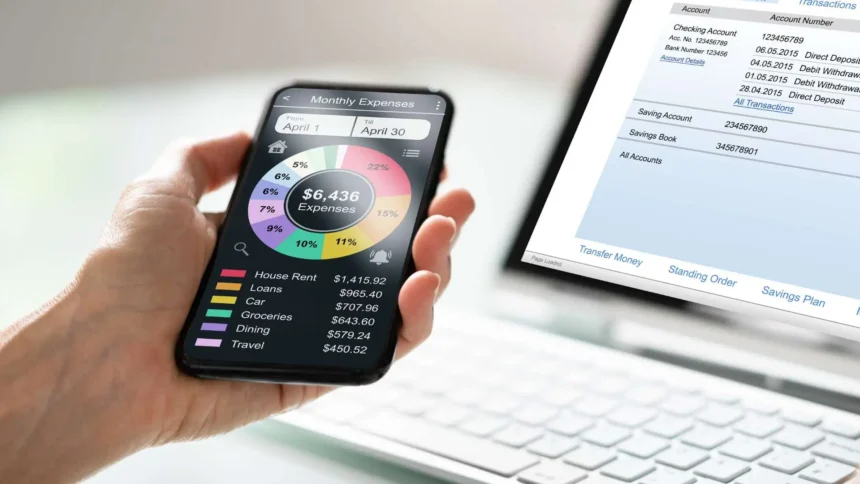
Managing money in the U.S. has become more complex than ever. Between rent or mortgages, subscriptions, credit cards, groceries, and unexpected expenses, it’s easy to lose track of where your money goes. That’s exactly why budgeting apps have become essential tools for millions of Americans.
- Why Budgeting Apps Matter in the U.S.
- What Makes a Budgeting App “The Best”?
- Best Budgeting Apps in the U.S. (Reviewed Honestly)
- A Short Comparison Insight (Without Overloading)
- How to Choose the Right Budgeting App for You
- Security and Privacy Considerations
- Common Mistakes When Using Budgeting Apps
- Do Budgeting Apps Really Help?
- Final Thoughts
This in-depth guide covers the best budgeting apps in the U.S., explaining what each one does well, who it’s best for, and how to choose the right option based on your financial goals. The focus here is clarity, practicality, and real-world use—not hype.
Why Budgeting Apps Matter in the U.S.
Budgeting apps solve one major problem: visibility. When you can clearly see your income, spending, and savings in one place, better decisions follow naturally. Instead of guessing or reacting at the end of the month, budgeting apps help you stay proactive.
For Americans dealing with variable income, multiple bank accounts, or credit cards, these apps reduce manual work and help create consistency.
What Makes a Budgeting App “The Best”?
The best budgeting apps in the U.S. usually share a few important traits. They connect securely to U.S. banks, track spending automatically, categorize transactions accurately, and present information in a way that’s easy to understand. The best app is not the most complex one—it’s the one you’ll actually use every week.
Different apps serve different financial personalities, which is why choosing the right fit matters more than choosing the most popular name.
Best Budgeting Apps in the U.S. (Reviewed Honestly)
YNAB (You Need A Budget)
YNAB is one of the most respected budgeting apps in the U.S., especially for people serious about controlling their finances. It’s based on a proactive approach that encourages users to assign every dollar a purpose before spending it.
YNAB works well for Americans who want full control over their money, are paying off debt, or want to break paycheck-to-paycheck cycles. While it has a learning curve, users who stick with it often see long-term financial improvements.
Best for: disciplined budgeters and debt payoff
Not ideal for: people who want a fully hands-off system
Mint
Mint has long been one of the most popular budgeting apps in the U.S. because it’s free and easy to use. It automatically tracks spending, categorizes transactions, and gives a clear overview of your financial picture.
Mint works well for beginners who want visibility without complexity. It’s especially useful for tracking spending habits and spotting problem areas quickly. However, it’s more of a tracking tool than a strict budgeting system.
Best for: beginners and casual budgeters
Not ideal for: users wanting strict budgeting control
EveryDollar
EveryDollar follows a zero-based budgeting philosophy similar to YNAB but with a simpler interface. It’s designed to help users plan their money before the month begins.
Many Americans prefer EveryDollar for its straightforward layout and easy setup. The free version requires manual entry, while the paid version offers bank syncing.
Best for: simple monthly budgeting
Not ideal for: users wanting deep analytics
PocketGuard
PocketGuard is designed for people who want budgeting without overthinking. It focuses on showing how much money you have available to spend after bills, savings, and goals are accounted for.
This app is popular among Americans who feel overwhelmed by traditional budgeting methods. It doesn’t require detailed planning but still helps prevent overspending.
Best for: hands-off budgeters
Not ideal for: detailed financial planning
Empower (formerly Personal Capital)
Empower is best known for combining budgeting with long-term financial tracking. It excels at showing net worth, investments, and retirement planning alongside daily spending.
This app is ideal for Americans who want a big-picture view of their finances, especially those with investments, retirement accounts, or multiple assets.
Best for: wealth tracking and long-term planning
Not ideal for: strict monthly budgeting
A Short Comparison Insight (Without Overloading)
YNAB and EveryDollar are best for people who want structure and control. Mint and PocketGuard work better for those who want awareness without rigidity. Empower is ideal for Americans focused on net worth and future planning rather than daily budgeting rules.
Choosing the right app depends on how involved you want to be.
How to Choose the Right Budgeting App for You
Instead of asking which app is “best overall,” ask which one fits your habits. If you enjoy planning and control, a proactive system works better. If you prefer automation and simplicity, a tracking-focused app may be more sustainable.
Consistency matters more than features. A simple app used regularly beats a powerful app you abandon.
Security and Privacy Considerations
Most major U.S. budgeting apps use bank-level encryption and read-only access to protect your data. Still, it’s wise to:
- Use strong, unique passwords
- Enable two-factor authentication
- Review privacy policies
Your financial data is valuable, so security should never be an afterthought.
Common Mistakes When Using Budgeting Apps
Many users give up too quickly because they expect instant results. Budgeting apps don’t fix finances overnight—they provide insight. Another common mistake is failing to update goals or ignoring irregular expenses.
Treat your app as a tool, not a judge. Adjust and improve as your situation changes.
Do Budgeting Apps Really Help?
Yes—when used consistently. Studies and real-world experience show that people who track spending regularly tend to save more, reduce debt faster, and feel less financial stress.
Budgeting apps don’t restrict freedom; they create it by removing uncertainty.
Final Thoughts
The best budgeting apps in the U.S. help you understand your money, make better decisions, and stay consistent over time. Whether you choose a structured system like YNAB or a simple tracker like Mint, the real value comes from regular use.
Start simple. Stay consistent. Let the app work for you—not the other way around.
